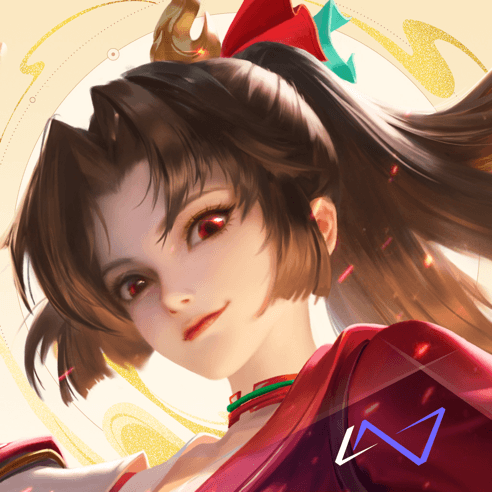
Welcome to the Battlefield
Honor of Kings is a 5v5 MOBA developed by TiMi Studio Group that has taken the global mobile gaming scene by storm. With a massive roster of heroes, deep strategic gameplay, and a thriving competitive scene, it offers everything you'd expect from a top-tier MOBA experience. If you're new to the game, this guide will help you understand the fundamentals and start climbing ranked confidently.
The Five Roles Explained
Every match in Honor of Kings revolves around five distinct roles. Understanding what each role does and where they go on the map is fundamental:
Clash Laner (Solo Lane / Top)
The Clash Laner holds the solo lane, typically a bruiser or tank with strong dueling power. You'll spend the early game farming and trading with your lane opponent, then join teamfights once you've built a gold advantage. Clash Laners are expected to be self-sufficient and able to survive without constant support.
Mid Laner
Mid Laners are usually mages with strong burst damage and crowd control. You control the centre of the map, which gives you the shortest rotation path to either side lane. Your job is to clear waves quickly and roam to assist your teammates with your damage and utility.
Farm Laner (Carry / Bot)
The Farm Laner is typically a marksman or physical damage carry. You share the bottom lane with your Support and focus on farming gold to scale into the late game. Early on, you're relatively weak and depend on your Support for protection. By the late game, you should be the team's primary sustained damage source.
Jungler
The Jungler clears jungle camps for gold and experience, then ganks lanes to secure kills and objectives. This is the most map-aware role, requiring you to constantly evaluate which lane to gank, when to take objectives, and where the enemy jungler is. Strong Junglers control the pace of the game.
Support (Roamer)
Supports protect the carry in the early game and then roam the map to provide vision, initiate fights, and peel for teammates. They typically build tanky or utility items and sacrifice personal gold for the team's benefit. Good Support play is often invisible but absolutely game-deciding.
Map Objectives
Understanding what to fight over and when is crucial to winning games:
Towers
Destroying towers opens up the map, provides gold, and brings you closer to the enemy base. Protect your own towers and look for opportunities to take enemy towers when lanes are pushed and enemies are elsewhere. Never dive a tower recklessly; tower damage ramps up quickly.
Tyrant (Dragon)
The Tyrant spawns on the bottom side of the map and provides a team-wide buff when killed. It's a key early-to-mid game objective that can swing momentum. Contest it when you have numbers advantage or when the enemy jungler is on the opposite side of the map.
Overlord (Dark Slayer)
The Overlord spawns on the top side of the map and is a more powerful objective. Killing it grants a significant team-wide combat buff. Overlord fights often decide games in the mid-to-late game. Teams should group and ward around the Overlord pit before attempting it.
Jungle Camps
Jungle camps provide gold and experience, with the buff camps (Red and Blue) granting combat buffs to whoever kills them. Blue Buff provides mana/energy regeneration and cooldown reduction. Red Buff adds a slow effect to attacks. The Jungler should generally take these, though Mid Laners often benefit from Blue Buff in the later stages.
Itemisation Basics
Buying the right items at the right time is a skill that develops over time. Here are the fundamentals:
- Follow recommended builds initially: The in-game recommended builds are a solid starting point. Use them until you understand what each item does and why it's built.
- Boots first: Most heroes benefit from early boots for movement speed, which helps with rotations, dodging, and chasing.
- Counter-build when needed: If the enemy team has heavy magic damage, build magic resistance. If they have healing, build anti-heal items. Adapting your build to the specific game is a key intermediate skill.
- Complete items over components: It's usually better to finish one full item than to have multiple partial items. The completed item passive effects are where the real power comes from.
- Don't neglect defensive items: Even damage-focused roles benefit from one defensive item, especially in the late game. Survivability means more damage over the course of a fight.
Recommended Starter Heroes by Role
These heroes are effective, relatively simple, and will teach you the fundamentals of their role:
- Clash Laner: Arthur - Tanky, straightforward, and hard to kill. Arthur teaches lane fundamentals without complex mechanics.
- Mid Laner: Xiao Qiao - Good burst damage and crowd control with a simple kit. Teaches wave clear and rotation basics.
- Farm Laner: Marco Polo - Strong sustained damage with mobility. Teaches positioning and kiting fundamentals.
- Jungler: Sun Wukong - High burst, good mobility, and a forgiving kit with stealth. Teaches gank timing and target selection.
- Support: Donghuang - A crowd-control powerhouse. Landing his ultimate wins fights. Teaches initiation and target prioritisation.
Stick with one or two roles and a small pool of heroes when starting out. You'll improve faster by deepening your knowledge than by constantly switching.
Settings for Competitive Play
Optimise these settings before jumping into ranked:
- Target priority: Set your targeting to prioritise heroes with lowest HP percentage. This ensures you're focusing the most vulnerable enemy in fights.
- Camera lock: Most players use semi-locked camera (locked in combat, free when looking around the map). Full camera lock limits your awareness.
- Ability aim: Use the manual aim option for skill shots rather than auto-aim. The precision difference is significant.
- Minimap awareness: Glance at the minimap every few seconds. Enemy positions, missing heroes, and objective timers are all visible there.
- Quick messages: Customise your quick chat wheel with useful callouts like "Enemy Missing," "Gather for Teamfight," and "Attack Overlord."
Ranked Mode Tips
Ready for competitive play? Keep these principles in mind:
- Learn two roles minimum: You won't always get your preferred role. Being competent in at least two roles prevents you from being a liability when autofilled.
- Communicate during draft: Announce your preferred role early. Cooperate with your team's needs rather than instalocking a hero that doesn't fit the composition.
- Play the map, not just your lane: Rotate for objectives, help teammates who are being ganked, and group for teamfights when appropriate. MOBAs are team games.
- Don't chase kills across the map: Overextending for a kill often costs more than it gains. If the enemy is retreating into their territory, let them go and take an objective instead.
- Ward and check bushes: Vision wins games. Place wards at key chokepoints and always check bushes before face-checking them.
- Stay consistent: Focus on your own play rather than tilting at teammates. The only constant across all your games is you. Improving your own fundamentals is the most reliable way to climb.
Honor of Kings rewards knowledge and teamwork as much as mechanical skill. The more you understand about objectives, rotations, and team compositions, the faster you'll rise through the ranks.
Ready to play? Top up your account on Elitedias. Delivery lands within minutes of payment confirmation.